

Social media is abuzz about Automated License Plate Readers (ALPR), and in turn, it has some of our citizens abuzz. One company in particular, Flock, is getting most of the coverage and most of that coverage is negative. Much of that negative publicity stems from police officers who have been alleged to have misused the data from that system. One recent social media headline from Lincoln Square reads, “More Than 20 Cops Have Been Arrested for Using Flock to Stalk Women.”
Any of those allegations that are true are bad. It’s bad for public confidence. It’s bad for that law enforcement agency. It’s bad for the law enforcement profession. But, as with much in our society today, that headline has no context for the average reader. That headline, and similar anti-ALPR posts, seem to run daily giving the perception that such improper, and potentially illegal, behavior is rampant across the country. It is much like the emotion that sparks after a police shooting. The same story runs continuously, giving the impression that a police deadly force encounter happens every minute. It does not.
Across the country every year, there are roughly 50 million police-initiated contacts with the public. Universally accepted statistics show those contacts will result in about 1,000 police shootings each year. That’s 0.002 percent of all police-initiated contacts. Of those 1,000 deadly force encounters, conservatively speaking, 997 of them will be unquestionable and not controversial. The remaining 3 will be questioned, protested, and potentially lead to criminal charges against the officers. Those 3 incidents represent 0.000006 percent of all police-initiated contacts with the public each year. That is 6 millionths of one percent! When we talk about that one bad shooting, that kind of context should give the public a better understanding of those incidents than what they get from mainstream and social media.
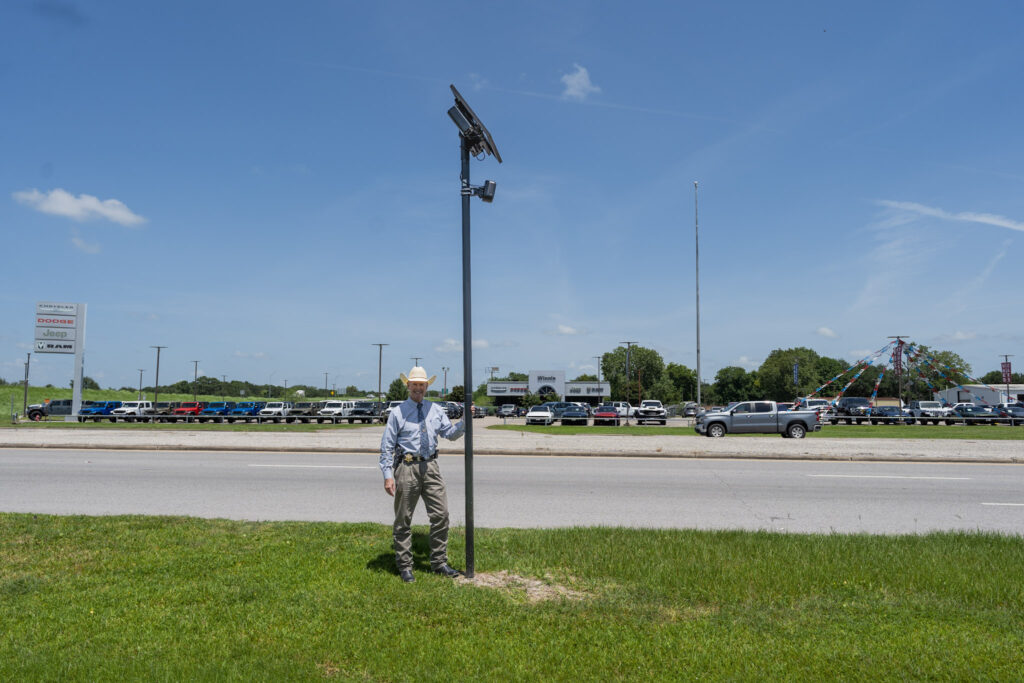
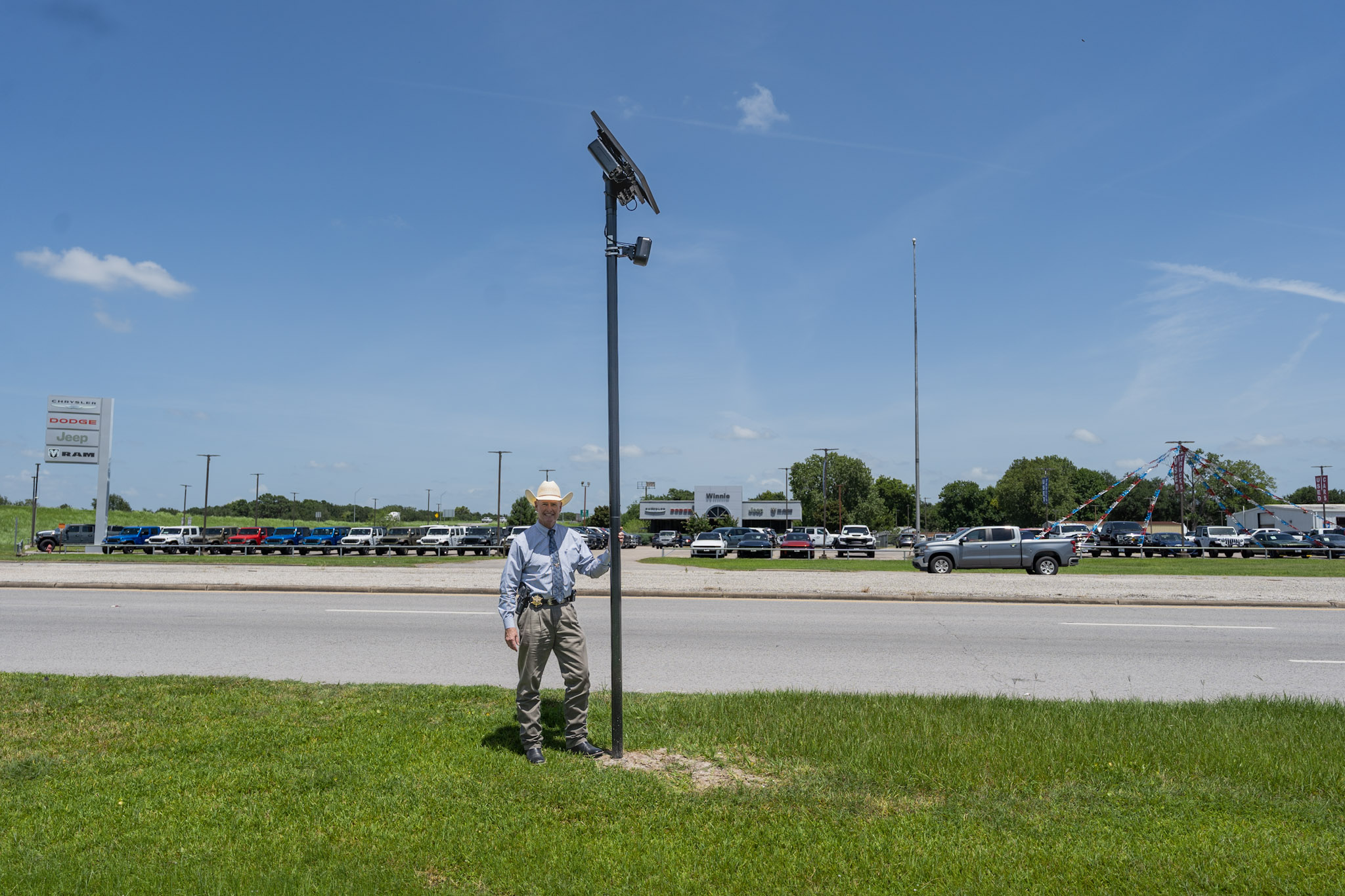
Law enforcement ALPR cameras only identify that a vehicle was in a specific location at a specific time in a public space where anyone could see it. The camera has no way of knowing where you came from or where you are going. And it doesn’t even know who you are. It only records an image of the license plate and vehicle. Using that image to identify who that vehicle belongs to requires access to the state DMV database. Those two systems are separate, and each requires separate authorization to access its data – an appropriate privacy protection.
In government, and especially in law enforcement, we have access to many databases that we use daily to investigate and solve crimes. Through law enforcement databases, we can access the driver’s license, vehicle registration, and criminal history from every state and the federal system. That is a lot of sensitive personal information, and it demands professional, responsible access and use. We have policies, procedures, and auditing for all of it.
Unfortunately, humans will be humans. No different than any other profession, industry, or vocation, a small percentage of the profession every year will inevitably commit a serious violation of their agency policy or state/federal law. It will make headlines. They will be fired and potentially prosecuted. And they should be.
But, like police shootings, let’s bring some context to this. Those 20 cops mentioned in the Lincoln Square post represent 0.0025 percent – 1/400th of one percent – of all law enforcement in the country. Hypothetically, let’s say 100 more officers are accused. That’s still less than a tenth of one percent of all police officers. And if you look at the percentage of legitimate use of ALPR data versus misuse, the misuse percentage would be even more minuscule.
Law enforcement across the country use ALPR data every day to solve serious crimes and apprehend criminals. More than 80 percent of all crime in this country involves a vehicle. Because of that, ALPR technology is more critical today than ever. Road rage incidents, drive-by shootings, hit-and-runs, burglaries and thefts, homicides, robberies, and kidnappings are all solved with the aid of ALPR data. That’s not an exaggeration; we can produce the cases.
ALPRs also assist in locating missing children or adults, overdue travelers, and evacuation verifications during disasters. And, like many law enforcement tools, ALPR can be exculpatory as well as inculpatory. We can clear someone from suspicion with the data.
ALPRs are not tracking technology. A police officer could stand in the very same place as the ALPR cameras and record the same cars going by and then put those license plate reads and vehicle descriptions into a database. The ALPR camera only adds efficiency to the process, not greater authority.
Folks, prohibition of an entire program is never the correct response to individual malfeasance. We have strict policies and frequent audits. Like any other misuse or abuse of official data available to law enforcement, we will punish those few who do so, but let’s not allow those with broader social and political agendas around the country to jeopardize our public safety through inflated headlines and anti-police fearmongering.
Respectfully,
Brian Hawthorne