
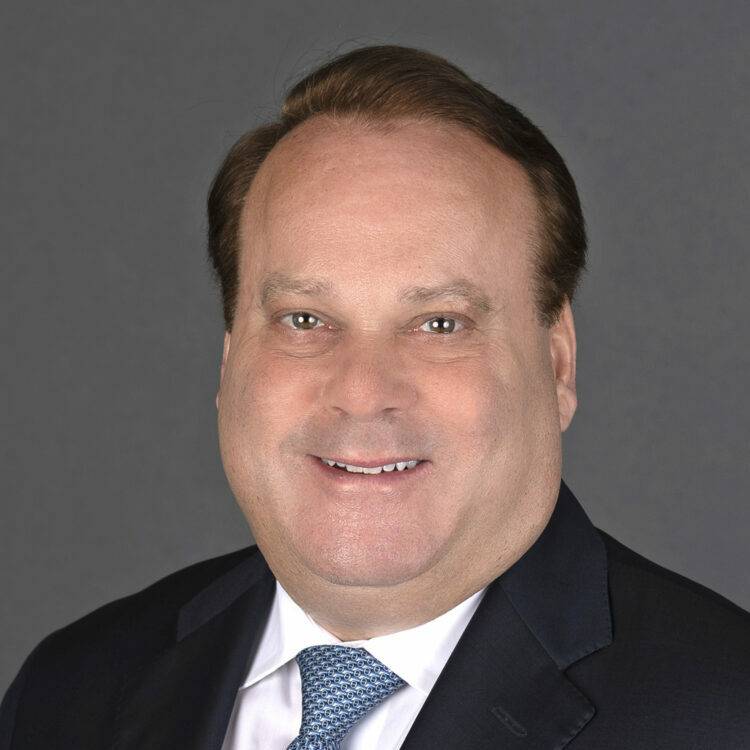
 By Michael J. Lyons, D.O., Chief Medical Officer, Coastal Gateway Health Center
As March’s National Kidney Month heads into its final weeks, communities across the country are circling Friday, March 20 on their calendars as a local call-to-action for an often-overlooked health issue: chronic kidney disease. The timing is intentional. The date falls just one week after World Kidney Day on March 12, which this year emphasized a simple but powerful idea—kidney health should be accessible to everyone.
Kidney disease may not dominate everyday conversations, but its reach is enormous. An estimated 35.5 million Americans are living with kidney disease, and more than 815,000 are living with kidney failure, including nearly 555,000 people on dialysis, according to the American Kidney Fund. What makes the issue especially challenging is how quietly it develops. The National Kidney Foundation reports that about 9 in 10 adults with kidney disease do not know they have it. Many people feel well for years, even as kidney function slowly declines.
Researchers have documented that early-stage chronic kidney disease has increased steadily over the past two decades. Around the year 2000, roughly 9 percent of U.S. adults were estimated to have early kidney disease. By 2018, that figure had risen to nearly 13 percent. At the same time, kidney failure continues to affect communities of color at much higher rates, highlighting disparities in access to preventive care, early diagnosis, and specialty treatment.
Those trends are helping shape the focus of this year’s National Kidney Month. The American Society of Nephrology has outlined four priorities for shifting the conversation from kidney failure to kidney health: intervening earlier, improving transplant systems, accelerating innovation, and achieving equity in care. The message from clinicians is clear—many cases of kidney disease can be delayed or prevented altogether with earlier action.
Fortunately, protecting kidney health does not usually require dramatic changes. Doctors emphasize managing high blood pressure and diabetes, the two leading causes of kidney disease, as well as getting routine blood and urine tests. A simple blood test can estimate how well the kidneys are filtering, while a urine test can detect protein leakage, often one of the earliest warning signs. Avoiding unnecessary use of certain over-the-counter pain medications can also help protect kidney function over time.
Local health systems are being encouraged to expand screening opportunities through community clinics, primary care visits, and health fairs. These efforts are especially important in rural and underserved areas, where people may see a doctor less frequently and kidney disease is more likely to go undetected until later stages.
Advances in treatment are also changing the outlook for patients. In recent years, new medications for chronic kidney disease and related conditions have given clinicians more tools to slow progression and reduce complications. Ongoing clinical trials continue to explore additional options, offering cautious optimism for the future.
For many advocates, March 20 is less about celebration and more about momentum. With millions of Americans already affected—and many unaware—the goal is to make kidney checks a routine part of preventive care. By encouraging neighbors, employers, and policymakers to pay attention now, National Kidney Month aims to move kidney health out of the background and into everyday healthcare conversations.
Top of FormGateway Health Center can be reached by phone at 409.296.4444 or by email at [email protected]. For more information regarding our services and programs, please visit our website at www.coastalgatewayhc.org or find and follow us on Facebook. We are proud to be #yourcommunityhealthcenter.